


Neurodiversity and Hormones: Understanding the Connection
News posted: 22 October, 2025 Post by: Emily Edwards
Time to read: ~ minutes, give or take.
Listen to this blog post
As a neurodivergent person, I’ve spent a lot of time exploring the connections between how our brains work and the many factors that influence our experience of the world.
One area that’s starting to get more attention lately is the intersection of neurodiversity and hormones.
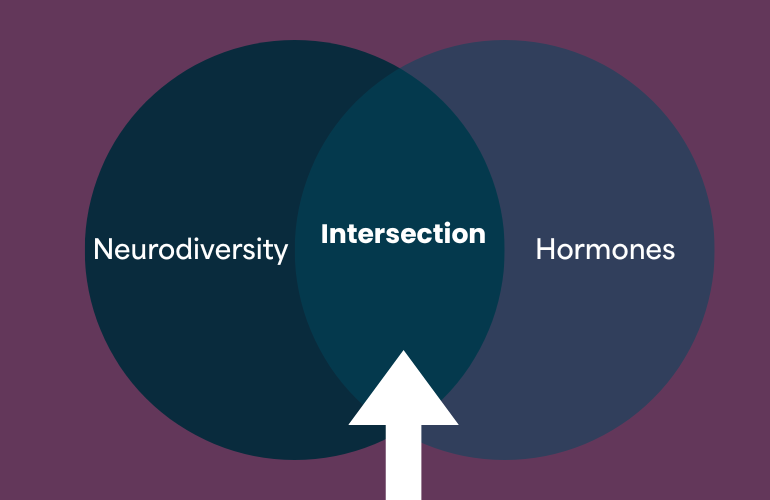
This is particularly pertinent to me at the moment as I start to navigate the early stages of peri-menopause. Just when I thought I’d grasped a better understanding of myself, things started to change - again.
We don’t talk about this intersection enough and it’s time to change that. For Autistic and/or ADHD folks, those hormonal changes can impact us differently and we need spaces where we can connect, share and make sense of these experiences together.
That’s why Caroline Milne (Unmenopaused) and I have created Rooted & Rising — a gentle, nature-based retreat for Autistic and/or ADHD folks who are approaching or in their menopausal years.
Autistic + ADHD Menopause Retreat: Rooted & Rising
Saturday 22 November 2025 – Hazel Hill Wood, near Salisbury
 This day has been created as a restorative, nature-based space to pause, reflect, and reconnect with your body’s natural rhythms. You’ll be guided through gentle discussions and coaching activities exploring how hormones influence energy, mood, and executive function and how you can better understand and support yourself during times of change. Expect grounded woodland walks, opportunities for shared conversation, and practical takeaways you can use long after the day ends.
I believe it is essential to develop more awareness about how hormonal fluctuations intersect with neurodivergence to promote understanding for and of ourselves and also for others. That could be our partners, wider family, friends, education, work colleagues or medical professionals.
A Gender-Inclusive Perspective on Neurodiversity and Hormones
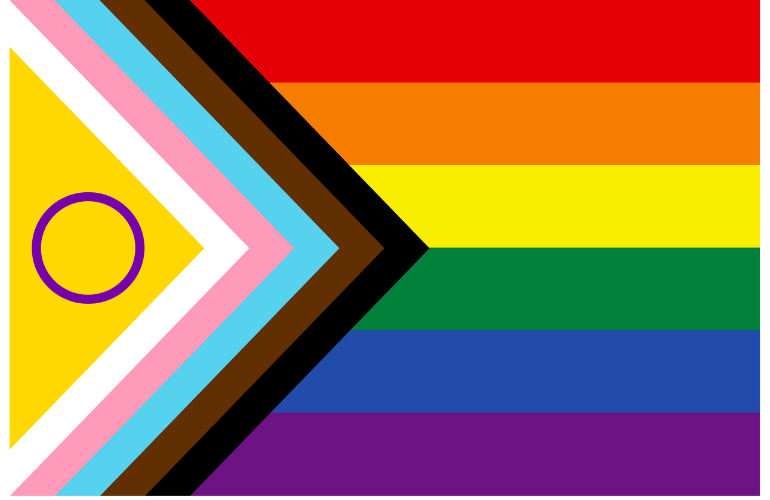 When we talk about hormones, it’s important to recognise that we’re not just talking about women. Transgender, non-binary, intersex or gender- non-comforming people make up a significant proportion of the neurodivergent community. Research by Warrier et al, 2021 (3) found that transgender and genderqueer adults are three to six times more likely to be diagnosed as autistic than cisgender adults. Notably, this only includes those who have been diagnosed — many remain undiagnosed. Based on global estimates, between 3–9% of transgender and gender-diverse adults may be autistic.
That means hormonal experiences don’t always align neatly with gender identity. For transgender people who are transitioning, the effects and impacts of their hormone treatment can be similar to those experienced during peri-menopause because of the huge fluctuations.
Why This Matters
Whether you are neurodivergent or neurotypical, you have hormones. But what we’re starting to understand as more neurodivergent people speak out about their experiences and as research into this area slowly gains traction is that being neurodivergent can sometimes amplify the effects of hormonal change.
This can make existing challenges feel heightened or bring new ones to the surface. Recognising this can reduce self-blame, increase self-compassion and encourage better support, whether that’s adjusting expectations, creating more accommodating environments or exploring strategies that actually work with these fluctuations rather than against them.
Even now, hormonal factors around puberty, pregnancy and peri-menopause are rarely considered let alone integrated into how we assess, diagnose and/or support neurodivergent people.
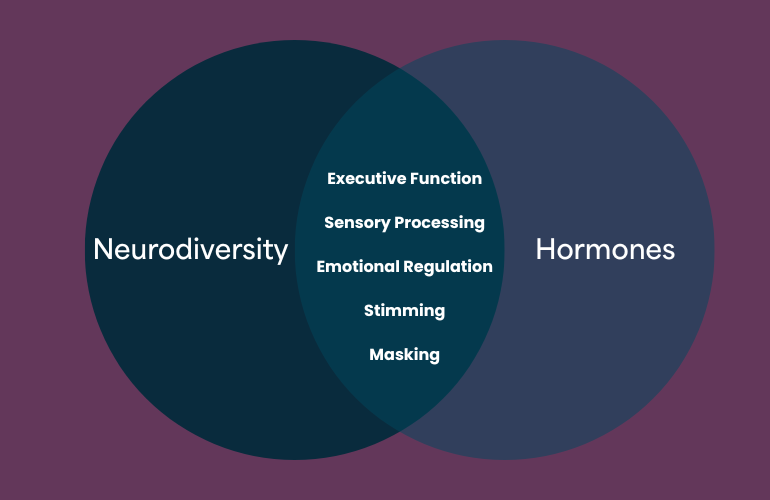
What sits within the intersection of neurodiversity and hormones?
Many elements of the neurodivergent experience sits within the intersection of neurodiversity and hormones, here are just some of the key factors:
- Executive function
- Sensory processing
- Emotional regulation
- Stimming
- Masking
Executive Functions

Neurodivergent people tend to struggle with their executive functions which means that it can be challenging to:
- Start, stop or switch tasks
- Organise
- Prioritise
- Self-monitor and evaluate
- Remember things
- Control impulses
- Manage time, attention and focus
- Regulate emotions
- Think flexibly
If you want to know more about executive functions specifically you can read this blog that I wrote purely on this topic.
Research has identified that,
"Challenges with executive functioning increases at times of rapid decline in oestrogen."
Eng at el, 2024 (1)
Considering that oestrogen supports with dopamine function - which in turn supports executive function - this makes sense!
This same research found that estradiol contributes to a range of functions including learning, memory, fine motor control, pain perception and mood. Oestrogen being linked with dopamine in this way means that people who menstruate and/or are entering peri-menopause are essentially experiencing a double whammy of symptoms.
Impact of changes with executive functions:
- Forgetting everyday tasks or losing track of what you were doing mid-way.
- Difficulty switching from one role or task to another.
- Feeling “foggy” or unable to plan ahead.
- Increased frustration or tearfulness when things don’t go to plan.
A survey conducted by ADDitude Magazine found that 98% of responders with ADHD experienced hormone related changes in their cognitive function and this also impacted their mood. It also impacted their focus and their attention, their memory, as well as their emotional regulation too.
Sensory Processing
Many neurodivergent people experience sensory differences - being over (hyper)- or under (hypo)-sensitive to input or fluctuating between the two. If you want to know more how sensory processing can be different for neurodivergent people you can read this blog here.
Hormonal changes can affect this. At certain points in the cycle, sensory input might feel overwhelming, or conversely, there might be a need for more stimulation just to feel regulated.
Interoception is a lesser known sensory system which is responsible for being able to perceive our internal bodily signals and interpret them into meaningful actions. This can include things like being hungry, thirsty, needing the toilet, being hot or cold. This is also the foundation of our emotional regulation.
Impact of changes with sensory processing:
- Heightened or under sensitivity during certain phases.
- Feeling physically uncomfortable in clothing or crowded spaces.
- Forgetting to eat or drink because signals aren’t as clear.
- Increased fatigue or headaches from sensory overload.
Emotional Regulation
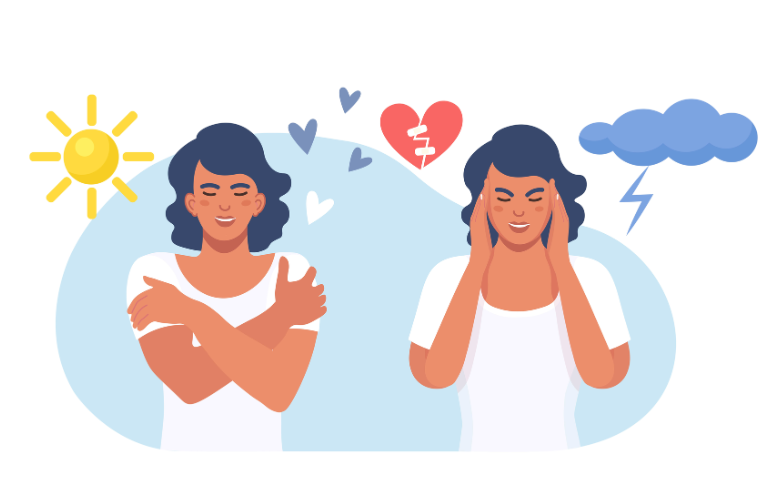
Hormones and neurodivergence both affect emotion regulation. Shifts in oestrogen and progesterone can magnify emotional responses, making it harder to stay regulated and/or recover after stress.
Oestrogen supports the activity of neurotransmitters such as dopamine and serotonin, which influence motivation, focus, and mood stability. As mentioned above, when oestrogen drops (just before bleeding starts or during peri-menopause) dopamine activity can dip too, making emotional regulation and executive function more challenging.
Progesterone, meanwhile, affects the calming neurotransmitter GABA, which helps quieten the nervous system and promote rest. Fluctuations in progesterone can therefore impact anxiety levels, sleep, and sensory sensitivity.
For neurodivergent people, who may already have differences in how they process emotion (this links with interoception, the sensory system that is responsible for perceiving our internal signals and state) and how these neurotransmitter systems function hormonal shifts can feel more intense and unpredictable.
Impact of changes with emotional regulation:
- Feeling “on edge” without clear reason.
- Sudden irritability, tears, or anxiety.
- Needing more time alone after social or work demands.
- Feeling disconnected from others or withdrawing to protect energy.
Stimming
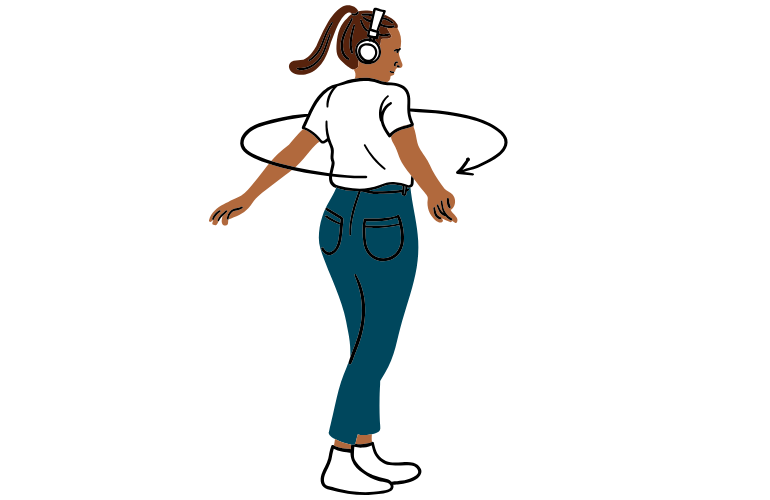
Stimming is short for self-stimulating actions. These could be things like fidgeting, leg-jiggling, flapping, rocking, vocalising sounds or using sensory tools. During certain parts of the menstrual cycle, people may rely on them more and/or find their stimming behaviours become more intense.
For some, they are subject to assumptions from others that these changes in stimming are a signs of “distress”, anxiety, distraction, or agitation, when in fact they’re instinctive self-regulatory responses that help that person manage sensory and/or emotional fluctuations.
Stimming is an instinctive way neurodivergent people enjoy calming, soothing and supporting themselves and therefore recognising stimming as a form of regulation rather than a problem can make a huge difference in how someone feels supported and understood.
Impact of changes with stimming:
- Using stim tools more frequently or seeking stronger sensory input.
- Feeling self-conscious if stimming becomes more visible/audible.
- Suppressed or misunderstood stims can sometimes be redirected into less helpful or self-harming behaviours as the body searches for another outlet.
- Trying to hide or stop stimming can increase masking and internal stress, leading to exhaustion, shutdown or emotional overwhelm.
Masking
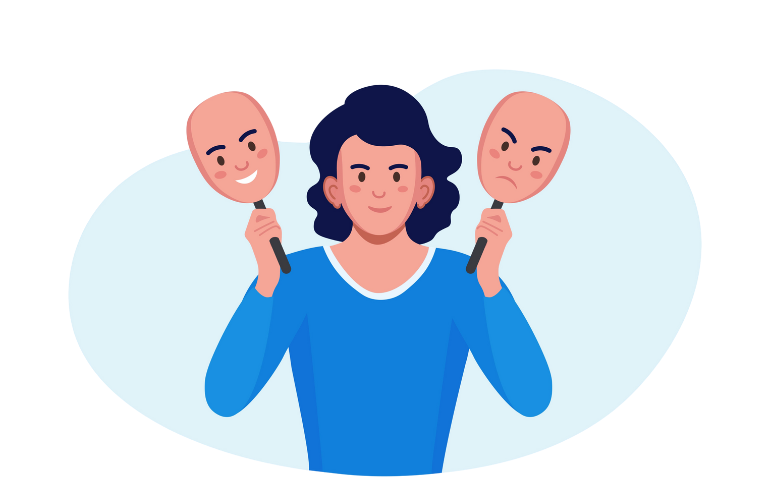
Masking is the act of hiding one’s true self, often out of fear of rejection or because of a desire to blend in. For autistic people, this can mean suppressing stims, forcing eye contact, mimicking social behaviors, and essentially performing a role that is exhausting and unsustainable.
Dr Devon Price, Unmasking Autism (2)
When someone is struggling, they may mask more (consciously or unconsciously) working to appear ‘fine’ or to fit in, or they may find they simply don’t have the capacity to mask at all.
Stress can also play a role here; when demands are high, some people may not have the energy to maintain masking, which can make them appear to be ‘struggling more’ or ‘worse’ to others, even though it’s actually just a shift in what’s visible.
Hormonal fluctuations can impact this too, affecting how much energy is available to manage social expectations and norms.
Impact of changes with masking:
- Others interpretations; hearing that your communication is aggressive, blunt or rude.
- Experiencing burnout from prolonged masking.
- "Keep up appearances" is much harder.
- Feeling misunderstood when others interpret unmasking as “regression.”
Understanding, Awareness and Acceptance
These overlaping areas between neurodiversity and hormones help us understand just how interconnected these experiences are and therefore why awareness is so important.
Many neurodivergent people have expressed that menopause played a role in discovering their neurodivergence. As hormonal changes intensified certain traits, they began to recognise patterns that had been present throughout their lives, leading to self-identification or formal diagnosis much later in life.
Awareness Leads to Better Support
When we don’t have the right language or understanding to describe what’s happening, it can lead to frustration, self-blame or feelings of 'not coping’. But when we do understand these connections, we can start being kinder to ourselves and making adjustments.
Another intersection not discussed in this blog but essential to this conversation is the impact on mental health — with many experiencing increased anxiety, low mood and exhaustion, yet still receiving little recognition or support. It’s important to recognise that what can appear to be a mental health need on the surface may, in fact, reflect unrecognised Autism and/or ADHD — something that is increasingly being uncovered among those diagnosed later in life.
If someone doesn’t understand themselves properly – how can we expect them to take care of themselves and advocate for what they need?
Whether that’s advocating for support in the workplace, in relationships, changing daily routines to match energy levels or simply recognising that we’re not alone in this experience.
With awareness comes choice and the possibility to create environments that truly support how we live and work at our best.
References
(1) Eng, A.G., Nirjar, U., Elkins, A.R., Sizemore, Y.J., Monticello, K.N., Petersen, M.K., Miller, S.A., Barone, J., Eisenlohr-Moul, T.A. & Martel, M.M. (2024) ‘Attention-deficit/hyperactivity disorder and the menstrual cycle: Theory and evidence’, Hormones and Behavior, 158, 105466. doi: 10.1016/j.yhbeh.2023.105466.
(2) Price, D. (2022) Unmasking Autism: Discovering the New Faces of Neurodiversity. New York: Harmony Books.
(3) Warrier, V., Greenberg, D.M., Weir, E., Buckingham, C., Smith, P., Lai, M.C. and Baron-Cohen, S. (2020) ‘Elevated rates of autism, other neurodevelopmental and psychiatric diagnoses, and autistic traits in transgender and gender-diverse individuals’, Nature Communications, 11(1), 3959. doi: 10.1038/s41467-020-17794-1.
Comments are closed on this post.
#Neurodiversity #Executive functions #Sensory needs #Hormones #Menopause